
Table of Contents
Ever wondered how traders decide what an option is really worth? The answer lies in options valuation — a fundamental concept that helps you determine whether an option is fairly priced or overvalued. Understanding this process gives you an edge in trading, allowing you to make informed decisions, manage risk better, and improve your profitability.
What Is Options Valuation?
Options valuation is the process of determining the fair market price of an option contract. It combines both **intrinsic value** (what the option is worth right now) and **time value** (its potential worth in the future). Together, these components reflect what traders are willing to pay based on probability, volatility, and time until expiration.
In simple terms, valuation helps you answer one question — *is this option worth the price I’m paying for it?*

Intrinsic Value — The Option’s Core Worth
The intrinsic value is the real, tangible value of an option if you were to exercise it immediately. It represents how much the option is “in the money.”
- Call Option: Intrinsic Value = Current Price – Strike Price. If the stock trades at $60 and the strike is $50, the intrinsic value is $10.
- Put Option: Intrinsic Value = Strike Price – Current Price. If the stock trades at $40 with a strike of $50, intrinsic value = $10.
If the calculation gives a negative number, the intrinsic value is considered zero — meaning the option is “out of the money.”
Time Value — The Power of Possibility
Time value reflects the potential for an option to become more profitable before expiration. It’s what traders pay for *possibility*. Even if an option currently has no intrinsic value, it can still be valuable if there’s enough time for the price to move favorably.
Key Factors That Influence Time Value
- Time to Expiration: Longer duration = higher time value.
- Volatility: More volatility = higher chance of price swings = higher option value.
- Interest Rates: Higher interest rates can raise call prices and reduce put prices.
- Dividends: Expected dividends can slightly reduce call values and increase put values.
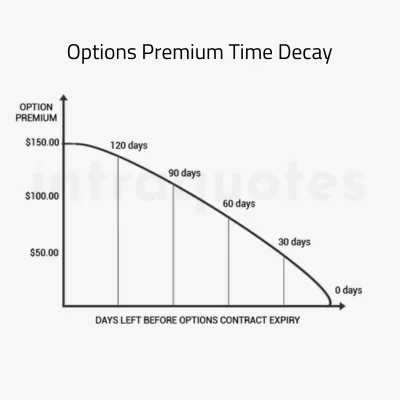
💡 Tip: As expiration approaches, time value erodes — a phenomenon known as time decay. This is why traders who sell options often profit from the passage of time.
Popular Option Pricing Models
To calculate an option’s fair value, traders use mathematical models that factor in volatility, interest rates, and time. The two most common models are:
- 1. Black-Scholes Model: Designed for European-style options, this model assumes constant volatility and no dividends. It calculates a theoretical price based on stock price, strike price, time, volatility, and interest rates.
- 2. Binomial Model: Useful for American-style options, it evaluates different price paths (up or down) that an asset could take before expiration. It’s more flexible because it allows for early exercise.
Both models help traders estimate whether an option is undervalued or overpriced compared to market expectations.
Factors That Affect Option Prices
- Underlying Asset Price: Directly influences both call and put prices.
- Strike Price: Determines how far in or out of the money an option is.
- Volatility: Increases the potential for larger profits — and larger losses.
- Time to Expiration: Longer time = higher premium, as more can happen before expiry.
- Interest Rates: Affects the cost of holding positions; higher rates usually lift call values.
- Dividends: Impact long-term options as dividend-paying stocks alter expected returns.
| Factor | Effect on Call | Effect on Put |
|---|---|---|
| Underlying price rises | Increases | Decreases |
| Strike price rises | Decreases | Increases |
| Volatility rises | Increases | Increases |
| Time to expiration increases | Increases | Increases |
| Interest rates rise | Increases | Decreases |
| Dividends increase | Decreases | Increases |
Why Understanding Valuation Matters
Knowing how options are valued isn’t just for math lovers — it’s essential for every trader. Understanding how time, volatility, and intrinsic value interact gives you control over your positions. You’ll know when an option is overpriced, when to take profit early, and when it’s better to wait for volatility to work in your favor.
Final Thoughts: Mastering options valuation helps you see beyond the price tag. Whether you’re trading short-term calls or long-term hedges, knowing what drives value will help you trade with confidence, precision, and purpose — exactly what separates professionals from the crowd.